The Ultimate Guide to Needle Felting: Tools, Techniques, and Tips for Beginners
Discover the art of sculpting with wool! Learn how the needle felting process works, the essential tools you need, and expert tips to create your first DIY wool craft.
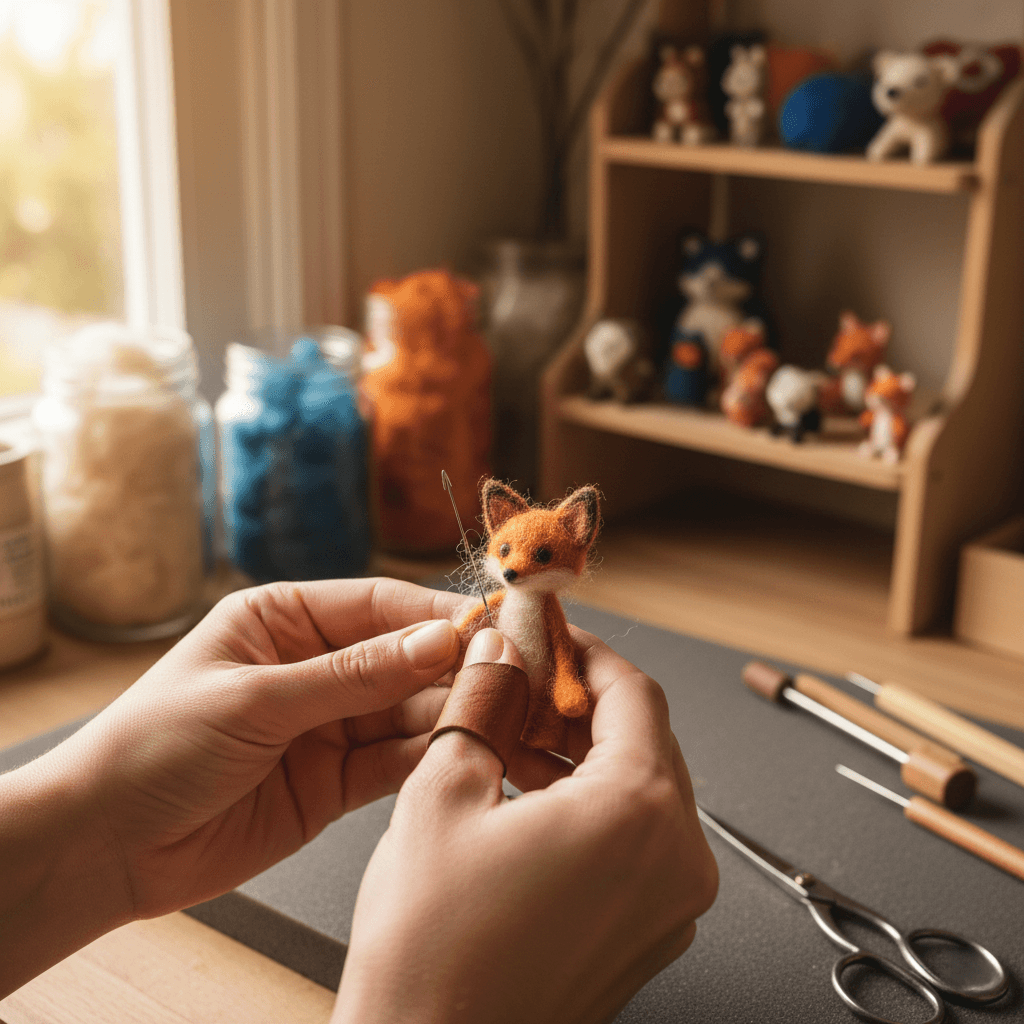
The Ultimate Guide to Needle Felting: Tools, Techniques, and Tips for Beginners — Handmade felt crafting insights from Kathmandu, Nepal
Sculpting with Wool: Why Needle Felting is the Ultimate Creative Escape
Have you ever looked at a tiny, lifelike wool animal and wondered how it was made without a single stitch? Welcome to the world of needle felting. Unlike traditional weaving or knitting, needle felting is the art of sculpting raw wool into 3D shapes using a specialized tool.
It’s tactile, eco-friendly, and—as many crafters will tell you—incredibly therapeutic. If you’re ready to turn a pile of fluff into a masterpiece, here is everything you need to know to get started.
The Science of the Poke: How it Works
Needle felting relies on the unique biology of wool. Under a microscope, wool fibers have tiny scales. A felting needle isn't smooth; it has microscopic barbs along its blade.
When you poke the needle into the wool, these barbs catch the fibers and lock them together. The more you poke, the more the fibers interlock, transforming soft "roving" into a firm, solid object.
The Beginner’s Essential Kit
Looking for custom or wholesale handmade felt crafts?
Direct artisan manufacturer in Nepal • 100% pure wool • Low MOQs & worldwide shipping
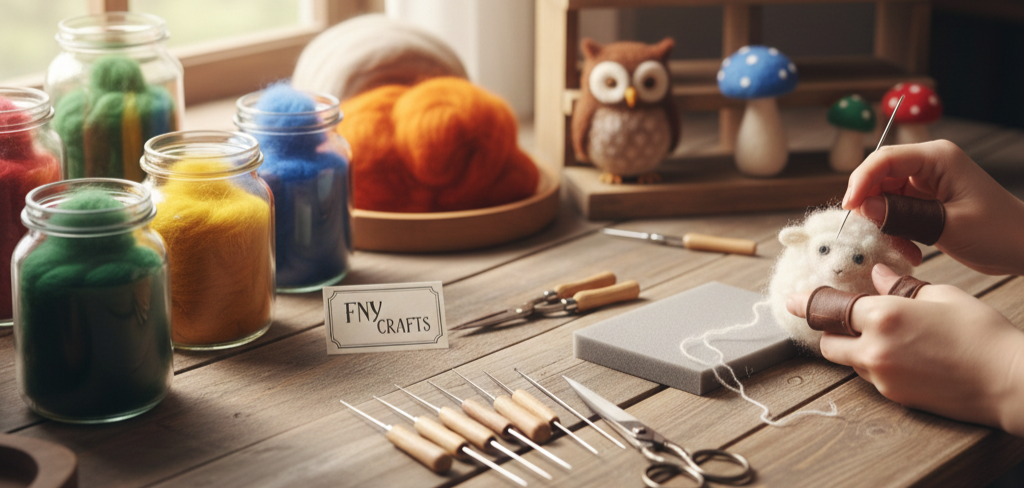
You don't need a heavy investment to start. Most hobbyists begin with:
Wool Roving: Unspun wool (Corriedale is a great "grippy" starter wool).
Felting Needles: Usually a 38-gauge star or triangle needle for all-purpose shaping.
Foam Pad: To protect your table (and your needles!) from breaking.
3 Tips for Your First Project
Keep it Vertical: Always move your needle straight in and out. Poking at an angle or twisting the needle while it’s inside the wool is the fastest way to snap the tip.
Start Small: Don't try to felt a whole animal at once. Create basic shapes (spheres or cubes) and felt them together later.
Firmness is Key: If your project feels "squishy," keep poking! A well-felted piece should be firm enough that it doesn't lose its shape when squeezed.
Pro Tip: Needle felting is a "slow craft." Embrace the rhythm. The sound of the needle hitting the wool—often called the "crunch"—is part of the meditative experience!
Looking for Custom or Bulk Handmade Felt Crafts?
We manufacture premium 100% pure New Zealand wool felt products directly in Kathmandu, Nepal. Supporting ethical fair trade, custom OEM branding, low MOQs, and reliable worldwide express shipping.