How to Use Wool Dryer Balls Correctly (And Mistakes to Avoid)
Boost efficiency with wool dryer balls! Learn how they work, how to use them correctly, and common mistakes to avoid so you can cut drying time and soften clothes naturally.
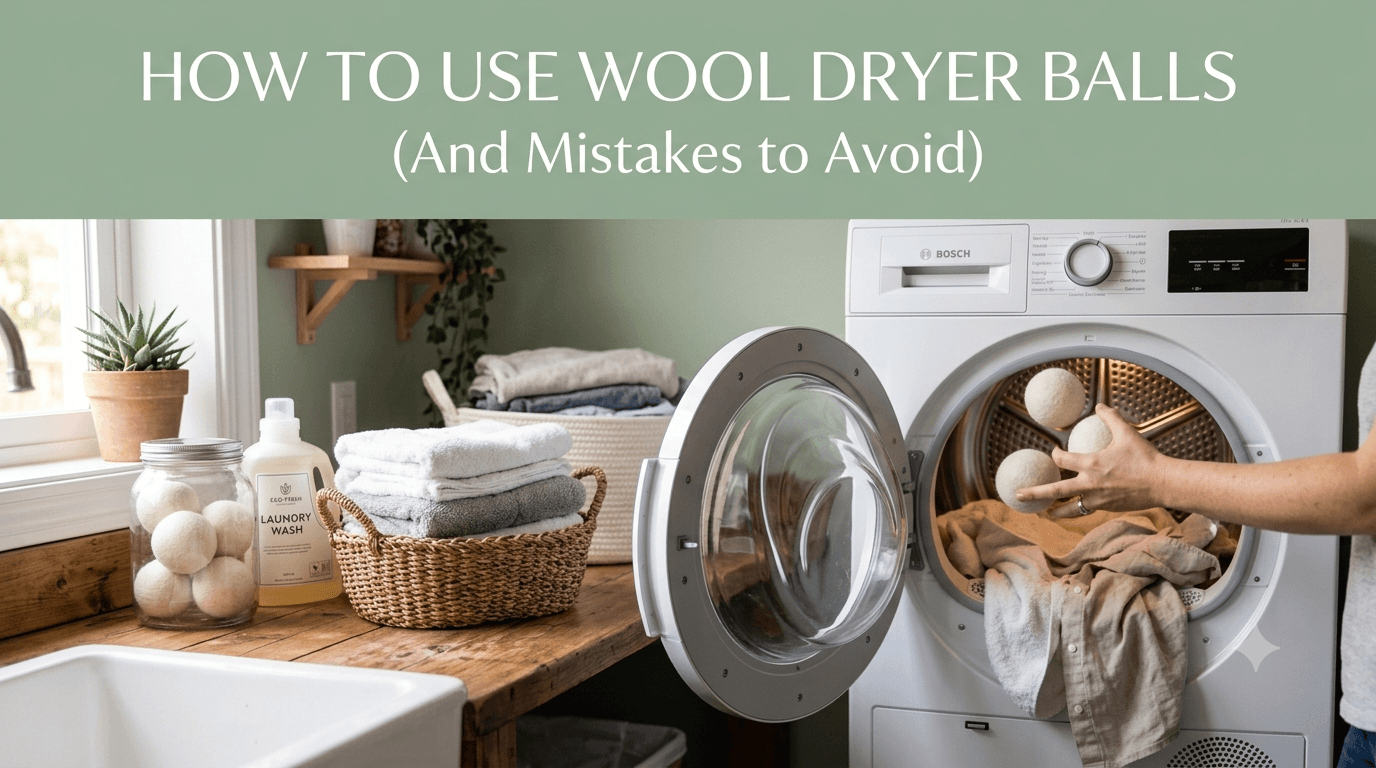
How to Use Wool Dryer Balls Correctly (And Mistakes to Avoid) — Handmade felt crafting insights from Kathmandu, Nepal
If you've recently switched to wool dryer balls or are considering buying them, you've probably heard claims that they can replace fabric softeners, shorten drying times, and make laundry more environmentally friendly.
While these benefits are real, they depend heavily on proper usage.
Many people toss one or two dryer balls into the machine, expect miraculous results, and end up disappointed. Others use too many, overload their dryer, or apply essential oils incorrectly, reducing the effectiveness of the dryer balls and potentially damaging their clothes.
Understanding how wool dryer balls work and how to use them correctly can help you save time, reduce electricity consumption, and extend the life of your clothing.
This guide covers everything you need to know, from first-time use to long-term maintenance.
What Are Wool Dryer Balls?
Wool dryer balls are tightly compressed balls made from 100% natural wool fibers.
They are designed to tumble between clothing items inside a dryer, creating space between fabrics and improving airflow throughout the load.
Unlike disposable dryer sheets, wool dryer balls can typically be reused hundreds or even thousands of times before needing replacement.
They are commonly used to:
Reduce drying time
Naturally soften fabrics
Decrease wrinkles
Improve airflow in the dryer
Reduce energy consumption
Replace chemical-based fabric softeners
Minimize laundry waste
Because they are reusable and biodegradable, wool dryer balls are considered one of the most environmentally friendly laundry accessories available.
How Wool Dryer Balls Work
Understanding the science behind wool dryer balls helps explain why proper usage matters.
As the dryer rotates, the balls continuously bounce between clothing items.
This movement creates three important effects:
Improved Air Circulation
Clothes tend to clump together during drying.
Dryer balls separate fabrics, allowing warm air to circulate more efficiently around each item.
Better airflow means moisture evaporates faster.
Reduced Drying Time
Since warm air reaches more surfaces of the clothing, items dry more quickly.
Many households report drying time reductions of:
10%
15%
20%
Sometimes even 30% for larger loads
The exact reduction depends on dryer efficiency and load size.
Natural Fabric Softening
As dryer balls repeatedly bounce against fabrics, they gently soften fibers without relying on chemical softeners.
This results in:
Softer towels
Less stiff clothing
Reduced fabric compression
How Many Wool Dryer Balls Should You Use?
One of the most common mistakes is using too few dryer balls.
The correct number depends on load size.
Small Loads
Use:
3 dryer balls
Examples:
A few shirts
Light daily laundry
Small mixed loads
Medium Loads
Use:
4 to 6 dryer balls
Examples:
Weekly family laundry
Mixed clothing loads
Standard dryer loads
Large Loads
Use:
6 to 8 dryer balls
Examples:
Bedding
Towels
Heavy laundry days
Large family loads
More balls create more separation and better airflow.
Step-by-Step Guide to Using Wool Dryer Balls
Step 1: Wash Your Clothes Normally
Use your preferred detergent during the washing cycle.
No special washing process is required.
Step 2: Transfer Laundry to the Dryer
Move wet laundry into the dryer immediately after washing.
Avoid allowing damp clothes to sit for extended periods.
Step 3: Add Wool Dryer Balls
Place the recommended number of dryer balls directly into the dryer drum.
Do not place them:
Inside pillowcases
Inside laundry bags
In separate compartments
They should move freely throughout the load.
Step 4: Select the Appropriate Drying Cycle
Choose the drying setting that matches your fabrics.
Examples include:
Low heat
Medium heat
Delicate
Permanent press
Wool dryer balls work effectively on most dryer settings.
Step 5: Start the Dryer
Allow the dryer balls to tumble naturally with the clothing.
As they bounce around, they continuously separate fabrics and improve airflow.
Step 6: Remove Laundry Promptly
When the cycle finishes, remove clothes as soon as possible.
Looking for custom or wholesale handmade felt crafts?
Direct artisan manufacturer in Nepal • 100% pure wool • Low MOQs & worldwide shipping
This helps prevent:
Wrinkles
Static buildup
Odors from trapped moisture
Can You Add Essential Oils to Wool Dryer Balls?
Yes, but there is a correct way to do it.
Many people enjoy lightly scented laundry without using synthetic fragrance products.
Safe Method
Add 2–3 drops of essential oil to each dryer ball.
Allow the oil to absorb completely.
Wait several hours before using.
Place the dryer balls into the dryer as normal.
This helps distribute a light natural scent.
Recommended Essential Oils
Popular choices include:
Lavender
Lemon
Orange
Eucalyptus
Peppermint
Tea tree
Important Safety Note
Never add excessive amounts of oil immediately before drying.
Wet oil may transfer onto fabrics and leave stains.
Always allow the oil to absorb fully before use.
Common Mistakes to Avoid
Many users don't achieve the expected results because of simple mistakes.
Let's examine the most common ones.
Mistake #1: Using Only One Dryer Ball
A single dryer ball cannot effectively separate an entire load.
Using multiple balls significantly improves performance.
Mistake #2: Overloading the Dryer
Even the best dryer balls cannot improve airflow if the dryer is packed too tightly.
An overloaded dryer:
Restricts movement
Increases drying time
Reduces effectiveness
Leave enough room for clothes and dryer balls to move freely.
Mistake #3: Expecting Complete Static Elimination
Wool dryer balls reduce static but may not eliminate it entirely.
Static is influenced by:
Climate
Humidity levels
Fabric type
Dryer settings
Synthetic fabrics often generate more static than natural fibers.
Mistake #4: Using Excessive Heat
Very high temperatures can:
Damage fabrics
Increase static
Cause unnecessary wear
Lower heat settings often produce better results.
Mistake #5: Applying Essential Oils Incorrectly
Adding fresh oil immediately before drying can lead to:
Oil spots
Uneven fragrance
Fabric staining
Always allow oils to dry first.
Mistake #6: Replacing Them Too Early
Quality wool dryer balls can last for hundreds of loads.
Many users replace them unnecessarily.
Signs replacement may be needed include:
Significant unraveling
Loose fibers
Loss of shape
Noticeable deterioration
Do Wool Dryer Balls Replace Fabric Softener?
In many cases, yes.
Wool dryer balls naturally soften fabrics without coating them in chemicals.
Benefits compared to traditional fabric softeners include:
No artificial fragrances
No chemical residue
Better absorbency for towels
Eco-friendly usage
Lower long-term cost
Some users may still prefer occasional fabric softener for specific fabrics, but many households switch completely.
Benefits of Using Wool Dryer Balls
Environmentally Friendly
Unlike disposable dryer sheets, wool dryer balls are reusable and biodegradable.
Cost Effective
A single set may last for years.
This reduces recurring laundry supply expenses.
Reduced Drying Time
Improved airflow helps lower electricity consumption.
Better for Sensitive Skin
Many fabric softeners contain fragrances and chemicals that can irritate sensitive skin.
Wool dryer balls provide a natural alternative.
Less Laundry Waste
Reusable dryer balls help reduce household waste significantly over time.
How Long Do Wool Dryer Balls Last?
Most high-quality wool dryer balls last:
500 to 1,000 loads
Often 2 to 5 years of regular use
Lifespan depends on:
Dryer temperature
Load frequency
Product quality
Usage habits
Proper care can maximize their longevity.
How to Store Wool Dryer Balls
When not in use:
Keep them in a dry location
Store them in a breathable container
Avoid damp environments
Proper storage helps prevent moisture buildup and odors.
Frequently Asked Questions
Can wool dryer balls damage clothes?
No. Quality wool dryer balls are generally safe for most fabrics and garments.
Can they be used with towels?
Yes. Towels often benefit greatly from improved airflow and natural softening.
Do they work with all dryers?
Yes. Wool dryer balls are compatible with most residential dryers.
Are wool dryer balls noisy?
Some light thumping sounds are normal as the balls tumble inside the dryer.
Can I wash wool dryer balls?
Yes. If they become dirty, wash gently using cool water and allow them to air dry completely.
Final Thoughts
Wool dryer balls are a simple yet effective laundry tool that can help reduce drying time, soften fabrics naturally, lower energy costs, and reduce dependence on disposable dryer sheets and chemical fabric softeners.
To achieve the best results, use the appropriate number of dryer balls for your load size, avoid overloading the dryer, apply essential oils correctly, and maintain realistic expectations regarding static reduction.
When used properly, a quality set of wool dryer balls can provide years of reliable performance while making your laundry routine more economical and environmentally friendly.
Looking for Custom or Bulk Handmade Felt Crafts?
We manufacture premium 100% pure New Zealand wool felt products directly in Kathmandu, Nepal. Supporting ethical fair trade, custom OEM branding, low MOQs, and reliable worldwide express shipping.