How to Wash and Care for Wool Felt Products Without Shrinking Them
Keep wool felt beautiful for years! Avoid shrinkage and damage with this guide on proper washing, drying, and maintenance techniques.
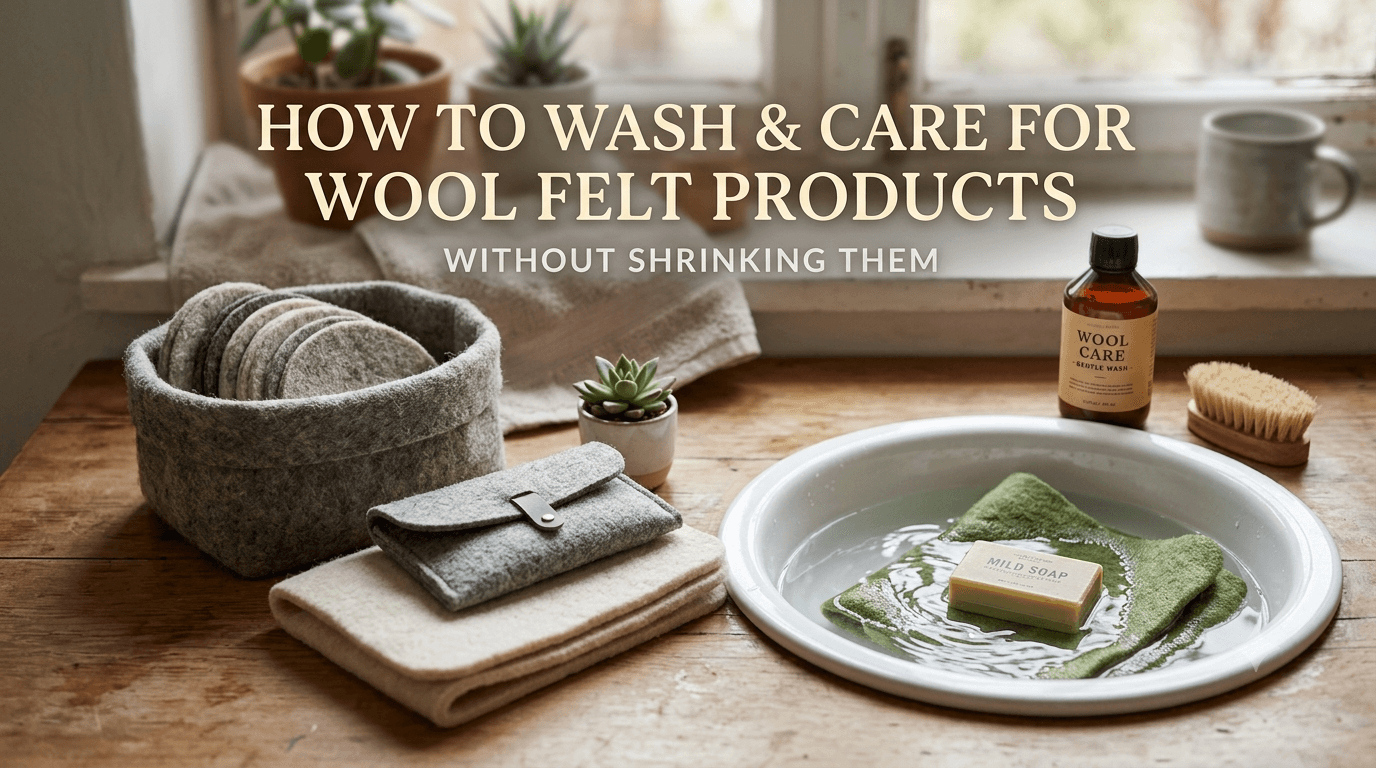
How to Wash and Care for Wool Felt Products Without Shrinking Them — Handmade felt crafting insights from Kathmandu, Nepal
Wool felt is a unique material made by compressing and matting natural wool fibers together. Unlike woven fabrics, felt does not have a traditional weave structure, which gives it exceptional durability and shape retention. Wool felt is commonly used for hats, bags, decorative items, slippers, storage baskets, crafts, furniture accessories, and many other products.
Despite its durability, wool felt requires special care. Many people accidentally ruin their favorite wool felt products by washing them incorrectly. Hot water, excessive agitation, harsh detergents, and improper drying can all cause shrinkage and distortion.
The good news is that with proper care techniques, wool felt products can maintain their shape, texture, and appearance for many years.
This guide covers everything from routine maintenance to deep cleaning methods, helping you protect your wool felt investments.
Understanding Why Wool Felt Shrinks
Before learning how to clean wool felt, it's important to understand why shrinking occurs.
Wool fibers are covered with microscopic scales. When exposed to heat, moisture, and friction simultaneously, these scales lock together more tightly. This process is known as felting.
Since wool felt is already felted material, additional felting can cause:
Significant shrinkage
Hardening of the fabric
Distortion of shape
Loss of softness
Permanent damage
The key to preventing shrinkage is minimizing heat and friction during cleaning.
Know Your Wool Felt Product First
Not all wool felt products are identical.
Before washing, check:
Material Composition
Products may contain:
100% wool felt
Wool-blend felt
Synthetic felt
Merino wool felt
Pure wool felt requires the most careful handling.
Manufacturer Care Instructions
Always check:
Product labels
Care tags
Manufacturer recommendations
If the manufacturer provides specific instructions, follow those first.
Regular Maintenance: The Best Way to Avoid Frequent Washing
One of the biggest mistakes people make is washing wool felt too often.
Regular maintenance can significantly extend the time between cleanings.
Remove Dust and Dirt
Use:
A soft brush
Lint roller
Vacuum with a brush attachment
Gently remove surface debris without applying excessive pressure.
Air Out Your Wool Felt Products
Fresh air helps eliminate:
Mild odors
Trapped moisture
Everyday smells
Place items in a shaded, well-ventilated area for several hours.
Avoid direct sunlight, which can fade colors and weaken fibers over time.
Spot Cleaning: The Safest Cleaning Method
Spot cleaning should always be your first choice.
For small stains:
Step 1: Blot Immediately
Use a clean cloth or paper towel.
Do not rub.
Blotting prevents stains from spreading deeper into the fibers.
Step 2: Prepare a Gentle Cleaning Solution
Mix:
Cool water
Small amount of wool-safe detergent
Avoid:
Bleach
Fabric softeners
Strong stain removers
Step 3: Test an Inconspicuous Area
Before treating the stain, test the solution on a hidden section.
Wait a few minutes and inspect for:
Color changes
Fiber damage
Texture alterations
Step 4: Clean the Stain
Use a soft cloth dampened with the solution.
Gently dab the stained area.
Work from the outside of the stain toward the center.
Step 5: Remove Soap Residue
Use another clean cloth dampened with cool water.
Lightly blot the area to remove detergent residue.
Step 6: Air Dry
Allow the item to dry naturally.
Never use heat to speed up drying.
How to Hand Wash Wool Felt Safely
When spot cleaning isn't enough, hand washing is the safest full-cleaning method.
Step 1: Fill a Basin with Cool Water
Use:
Cool water
Room-temperature water
Never use hot water.
Heat is one of the primary causes of shrinkage.
Step 2: Add Wool-Safe Detergent
Choose detergents designed specifically for:
Wool
Delicate fabrics
Natural fibers
Use only a small amount.
Excess detergent can be difficult to rinse out.
Step 3: Submerge the Item Gently
Place the wool felt product into the water.
Do not:
Twist
Scrub
Stretch
Aggressively agitate
Simply allow the item to soak.
Looking for custom or wholesale handmade felt crafts?
Direct artisan manufacturer in Nepal • 100% pure wool • Low MOQs & worldwide shipping
Step 4: Soak for 10–15 Minutes
This allows dirt and oils to loosen naturally.
Avoid extended soaking periods.
Step 5: Gently Press the Water Through
Use your hands to lightly press water through the material.
Do not wring or squeeze aggressively.
Step 6: Rinse Thoroughly
Drain the basin.
Refill with clean cool water.
Rinse until all detergent is removed.
Step 7: Remove Excess Water Carefully
Place the item between clean towels.
Press gently.
Let the towels absorb moisture naturally.
Never twist the felt.
Proper Drying Techniques to Prevent Shrinkage
Drying is just as important as washing.
Improper drying can ruin wool felt products even if they were washed correctly.
Reshape While Damp
While the item is still damp:
Restore its original shape
Smooth out wrinkles
Correct any minor distortions
This helps the product dry evenly.
Dry Flat
Lay the item on:
Clean towel
Drying rack
Flat surface
Ensure good airflow around the item.
Avoid Direct Heat Sources
Never place wool felt near:
Radiators
Heaters
Fireplaces
Hair dryers
Clothes dryers
Heat causes shrinking and hardening.
Keep Out of Direct Sunlight
Strong sunlight may:
Fade colors
Dry fibers too quickly
Cause uneven drying
Choose a shaded area instead.
Can Wool Felt Be Machine Washed?
In most cases, machine washing is not recommended.
Even delicate cycles can create enough friction to:
Shrink felt
Distort shapes
Damage fibers
If the manufacturer specifically allows machine washing:
Use a mesh laundry bag
Select cold water
Use wool-safe detergent
Choose the gentlest cycle available
However, hand washing remains the safest option.
Removing Common Stains from Wool Felt
Food Stains
Remove excess food immediately.
Blot with a damp cloth.
Use mild wool detergent if necessary.
Oil and Grease Stains
Sprinkle cornstarch or baking soda.
Let sit for several hours.
Brush away residue.
Spot clean gently.
Mud Stains
Allow mud to dry completely.
Brush off dried particles.
Spot clean remaining marks.
Ink Stains
Act quickly.
Use a small amount of rubbing alcohol on a cotton swab and test first in a hidden area before treatment.
Long-Term Storage Tips
Proper storage prevents unnecessary wear and damage.
Store in a Cool, Dry Location
Avoid:
Damp basements
Humid environments
Hot attics
Protect Against Moths
Natural wool attracts moths.
Use:
Cedar blocks
Lavender sachets
Sealed storage containers
Avoid Compression
Do not place heavy objects on top of wool felt items.
Long-term pressure may permanently alter their shape.
Common Mistakes That Cause Wool Felt to Shrink
Avoid these common errors:
Using Hot Water
Heat encourages additional felting and shrinkage.
Using a Clothes Dryer
Dryers combine heat and agitation, creating ideal conditions for shrinking.
Scrubbing Aggressively
Excessive friction damages wool fibers.
Wringing Out Water
Twisting can distort shape and structure.
Using Harsh Detergents
Strong chemicals may weaken natural fibers.
Ignoring Care Labels
Manufacturer instructions should always take priority.
Signs Your Wool Felt Product Needs Cleaning
You don't need to wash wool felt after every use.
Clean when you notice:
Visible dirt
Persistent odors
Stains
Sticky residue
Excessive dust buildup
Routine brushing and airing often eliminate the need for frequent washing.
Professional Cleaning: When to Consider It
For valuable or delicate wool felt items, professional cleaning may be the safest choice.
Consider professional care for:
Designer felt hats
Expensive bags
Antique felt products
Heavily stained items
Structurally important felt pieces
Professional cleaners have specialized techniques that reduce the risk of shrinkage.
Final Thoughts
Wool felt products are durable, attractive, and environmentally friendly, but they require thoughtful care. The secret to preventing shrinkage is simple: avoid heat, minimize friction, and handle the material gently.
Regular maintenance, prompt stain removal, careful hand washing, and proper drying techniques will help preserve the shape, texture, and appearance of your wool felt products for many years.
By following these care practices, you can confidently clean and maintain everything from felt bags and hats to home décor items and handmade crafts without worrying about shrinking or damaging them.
Looking for Custom or Bulk Handmade Felt Crafts?
We manufacture premium 100% pure New Zealand wool felt products directly in Kathmandu, Nepal. Supporting ethical fair trade, custom OEM branding, low MOQs, and reliable worldwide express shipping.